A Beginner's Guide to CBD Flower: Strains, Terpenes and What to Look For
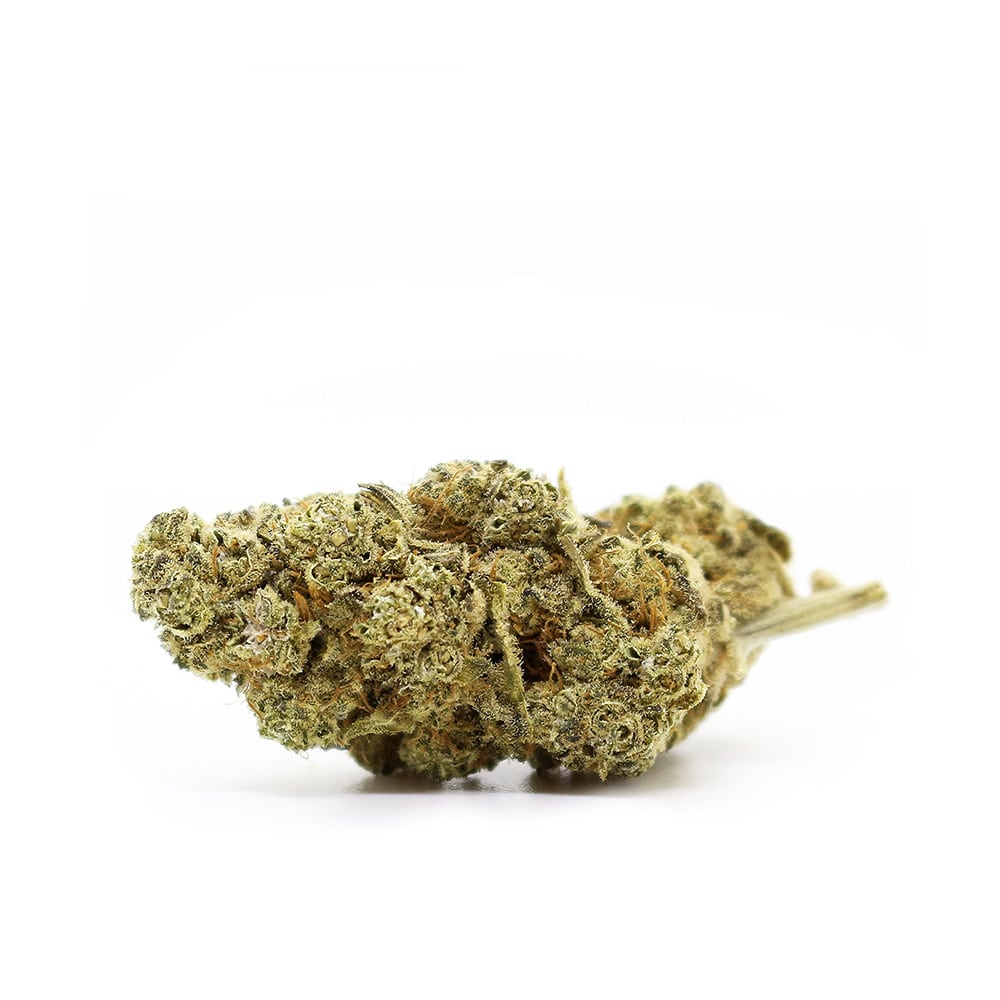
CBD flower is the least processed product in the entire CBD world: the dried, cured flower of low-THC hemp, sold as-is. That simplicity is exactly why quality varies so much between sellers — there is nothing to hide behind. Here is what actually matters.
Strains are terpene profiles, not brands
Names like Amnesia Haze or Northern Lights describe a genetic line with a characteristic terpene profile — citrus and spice in one, earth and pine in another. The strain name tells you roughly what to expect from aroma and character; the COA tells you what is really in the batch.
The four quality markers
- Cure: well-cured flower is springy, aromatic and neither crispy-dry nor damp. Poor curing is the most common flaw in cheap flower.
- Trim: hand-trimmed buds keep their structure; machine-shredded flower full of leaf and stem is a different (cheaper) product — which is fine, when it is priced and labelled as trim.
- Terpene aroma: flower should smell distinctly of something. Faint, hay-like smell means old stock or a bad cure.
- The COA: CBD percentage, THC below the legal limit, and a contaminant panel. No COA, no purchase.
Indoor, greenhouse, outdoor
Indoor flower is grown under fully controlled light and climate — the most consistent and the most expensive. Greenhouse splits the difference; outdoor is the most variable. We label our indoor and greenhouse ranges explicitly so you can price-compare like for like.
Formats and value
Flower is priced per gram, and the price per gram drops sharply at larger formats — compare the 3.5g, 14g and larger options on any product page before choosing. Moonrocks and popcorn buds are speciality formats at the two ends of the intensity spectrum.
Browse the full CBD flower range — every batch lab-tested, every COA available on request.
Editorial method
How we build our content
Paradise Farms CBD articles are written to help you understand a product, a use or a regulatory topic, then reviewed to improve clarity, editorial compliance and consistency with our catalogue. When a topic involves quality or regulatory verification, we also recommend consulting our Safety and Editorial process pages.
We avoid vague promises and excessive wording. If information requires additional validation, it must be verified before publication or presented as such.
Read next
Recommended guides
Is hemp legal in Australia?
A clear rundown of the low-THC hemp rules and what they mean before you order.
Hemp seeds nutrition
The protein, omega and fibre profile that makes hemp seeds a complete food.
How to use hemp seeds
Simple ways to add hemp seeds to everyday meals, from breakfast to baking.
Hemp seed oil benefits
What cold-pressed hemp seed oil offers and how to use it daily.
Hemp seeds vs chia seeds
A side-by-side comparison of two pantry staples, without the marketing gloss.
Hemp protein smoothies
Recipes and ratios for hemp protein smoothies that actually taste good.
Hemp recipes
Cooking and baking ideas across the whole hemp pantry.