CBD Dosage Guide: How Much Should You Take?
"How much CBD should I take?" is the most common question we get, and the honest answer is: it depends, and you should arrive at your amount slowly. There is no universal dose — but there is a sensible method.
Start with the maths
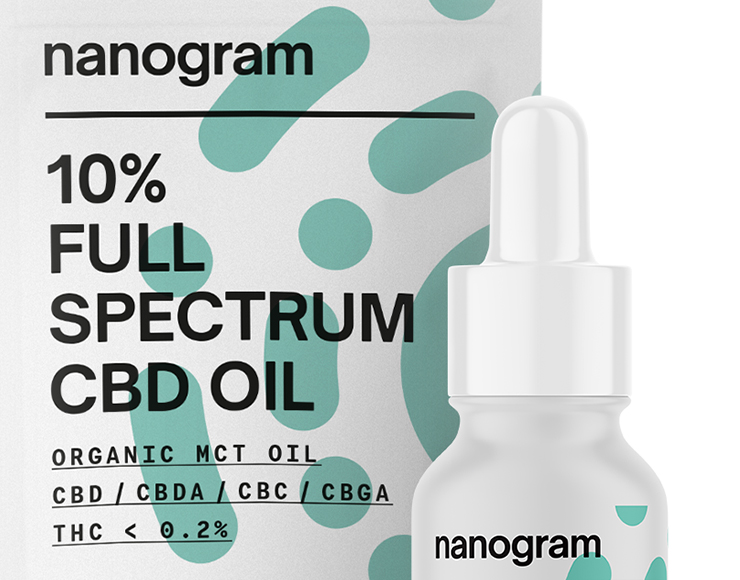
Every CBD product should tell you two numbers: total CBD in the container, and CBD per serve. A 1000 mg oil in a 30 ml bottle carries roughly 33 mg per full dropper; a 10 mg gummy is exactly that. If a product won't tell you mg per serve, don't buy it.
Start low, go slow
- Week 1: begin with 10–15 mg once daily, at the same time each day.
- Week 2+: if you notice nothing, increase in 5–10 mg steps every few days.
- Hold: when you find an amount that suits you, stay there. More is not automatically better.
Format changes timing, not just dose
- Oil under the tongue: absorbed relatively fast (15–45 minutes), easy to fine-tune drop by drop.
- Gummies and capsules: pass through digestion, so they act slower (1–2 hours) but are pre-measured and consistent.
- Topicals: act locally on skin and are not comparable to ingested formats.
Three cautions
- CBD can interact with other medications (it competes for the same liver enzymes as many common drugs). If you take medication, talk to your doctor or pharmacist first.
- In Australia, over-the-counter low-dose CBD is capped at 150 mg/day under Schedule 3 — a useful ceiling to keep in mind.
- Drowsiness is the most commonly reported side effect at higher amounts. Don't drive until you know how CBD affects you.
General information only — not medical advice. Your doctor knows your situation; we don't.
Editorial method
How we build our content
Paradise Farms CBD articles are written to help you understand a product, a use or a regulatory topic, then reviewed to improve clarity, editorial compliance and consistency with our catalogue. When a topic involves quality or regulatory verification, we also recommend consulting our Safety and Editorial process pages.
We avoid vague promises and excessive wording. If information requires additional validation, it must be verified before publication or presented as such.
Read next
Recommended guides
Is hemp legal in Australia?
A clear rundown of the low-THC hemp rules and what they mean before you order.
Hemp seeds nutrition
The protein, omega and fibre profile that makes hemp seeds a complete food.
How to use hemp seeds
Simple ways to add hemp seeds to everyday meals, from breakfast to baking.
Hemp seed oil benefits
What cold-pressed hemp seed oil offers and how to use it daily.
Hemp seeds vs chia seeds
A side-by-side comparison of two pantry staples, without the marketing gloss.
Hemp protein smoothies
Recipes and ratios for hemp protein smoothies that actually taste good.
Hemp recipes
Cooking and baking ideas across the whole hemp pantry.