
What Are Terpenes? The Compounds That Give Hemp Its Character
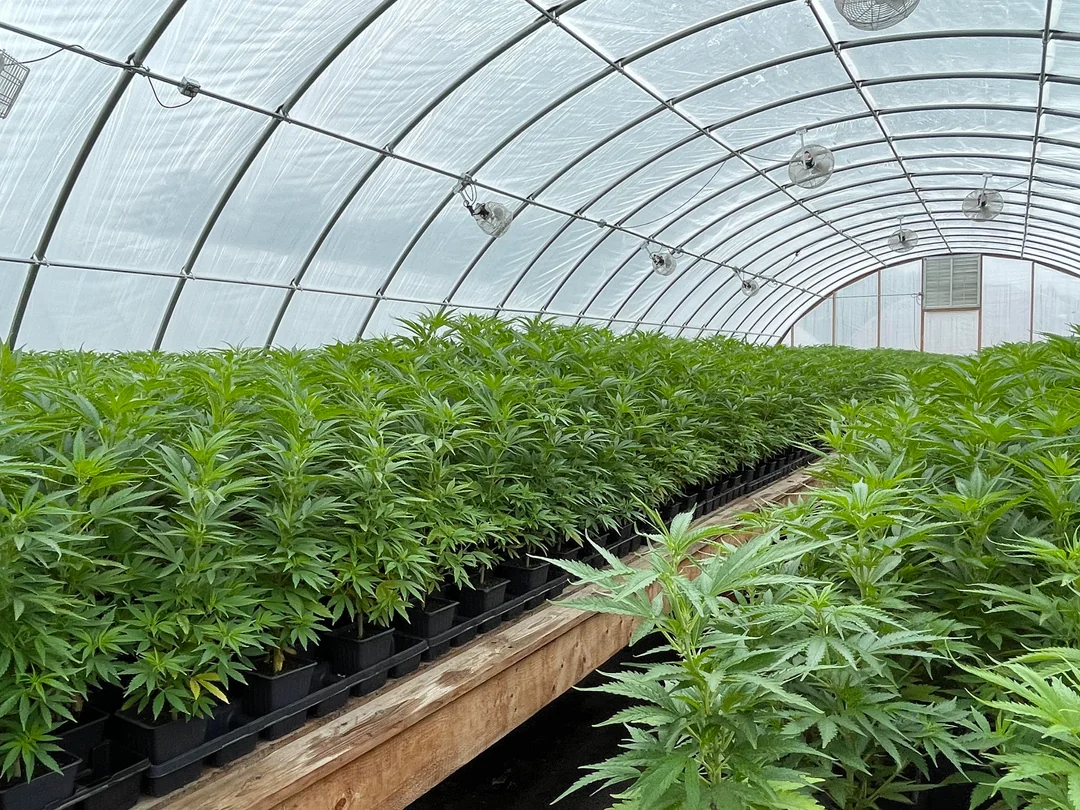
Two flowers with identical CBD percentages can smell and feel completely different. The reason is terpenes — the aromatic compounds that give every strain its character, and the most underrated line on a lab report.
What terpenes are
Terpenes are aromatic molecules produced across the plant kingdom — the same compounds that make pine forests smell like pine and citrus peel smell like citrus. Hemp is unusually rich in them, producing over a hundred, with a handful dominating any given strain.
The big five in hemp
- Myrcene — earthy, musky, ripe fruit. Usually the most abundant terpene in hemp flower.
- Limonene — bright citrus. Prominent in "lemon" and "haze" strain families.
- Caryophyllene — pepper and spice; unique in that it also binds cannabinoid receptors directly.
- Pinene — pine needles and rosemary; the most common terpene in nature.
- Linalool — floral lavender.
Why they matter when buying
Terpenes are the practical difference between strains. Once you know that you enjoy limonene-forward flower, the strain wall stops being guesswork — you can pick by profile. They are also fragile: poor curing and old stock lose terpenes first, which is why aroma is such a reliable freshness test for CBD flower.
Reading a terpene profile
Some COAs include a terpene table listing each compound as a percentage by weight. Anything above roughly 1% total terpenes is aromatic; above 2% is genuinely loud. We tag several of our categories by dominant terpene — browse limonene, caryophyllene or pinene selections to compare profiles directly.
Terpenes are also why we recommend storing flower airtight, cool and dark: protect the terpenes and you protect everything that makes a strain worth choosing.
Editorial method
How we build our content
Paradise Farms CBD articles are written to help you understand a product, a use or a regulatory topic, then reviewed to improve clarity, editorial compliance and consistency with our catalogue. When a topic involves quality or regulatory verification, we also recommend consulting our Safety and Editorial process pages.
We avoid vague promises and excessive wording. If information requires additional validation, it must be verified before publication or presented as such.
Read next
Recommended guides
Is hemp legal in Australia?
A clear rundown of the low-THC hemp rules and what they mean before you order.
Hemp seeds nutrition
The protein, omega and fibre profile that makes hemp seeds a complete food.
How to use hemp seeds
Simple ways to add hemp seeds to everyday meals, from breakfast to baking.
Hemp seed oil benefits
What cold-pressed hemp seed oil offers and how to use it daily.
Hemp seeds vs chia seeds
A side-by-side comparison of two pantry staples, without the marketing gloss.
Hemp protein smoothies
Recipes and ratios for hemp protein smoothies that actually taste good.
Hemp recipes
Cooking and baking ideas across the whole hemp pantry.